As I wrote this, I thought of the quilt made by my great-grandmother. She died before I was born, yet I feel her love when I lie under its warmth.
In Chapters One thru Seven, we met Sarah Rushton walking her land grant in 1827 Westchester, Nova Scotia with her daughter Elizabeth and grandchildren. Sarah, husband Jeremiah, and family were exiled from New York as Loyalists after the Revolution. Promised land by the British, they boarded a ship, then walked for days, hauling their belongings. Fretting over her husband’s plan to move to Upper Canada, Elizabeth asked, “How will I have a baby in the wilderness?” Sarah explained she’d avoided pregnancy as a refugee. The Rushtons labored to meet the terms of the land grant, as shown in a chart detailing women’s work. Sarah and Jeremiah dealt in complex transactions of land, including legal action for debt.
The End…a fictional look
Sarah stopped walking along her favorite path and spread both arms wide. “Look. This is how you’ll feel when you get your own land.” She cupped her hand around a sapling. “This is my land. Our land. It may not be the most fertile, but it’s ours.
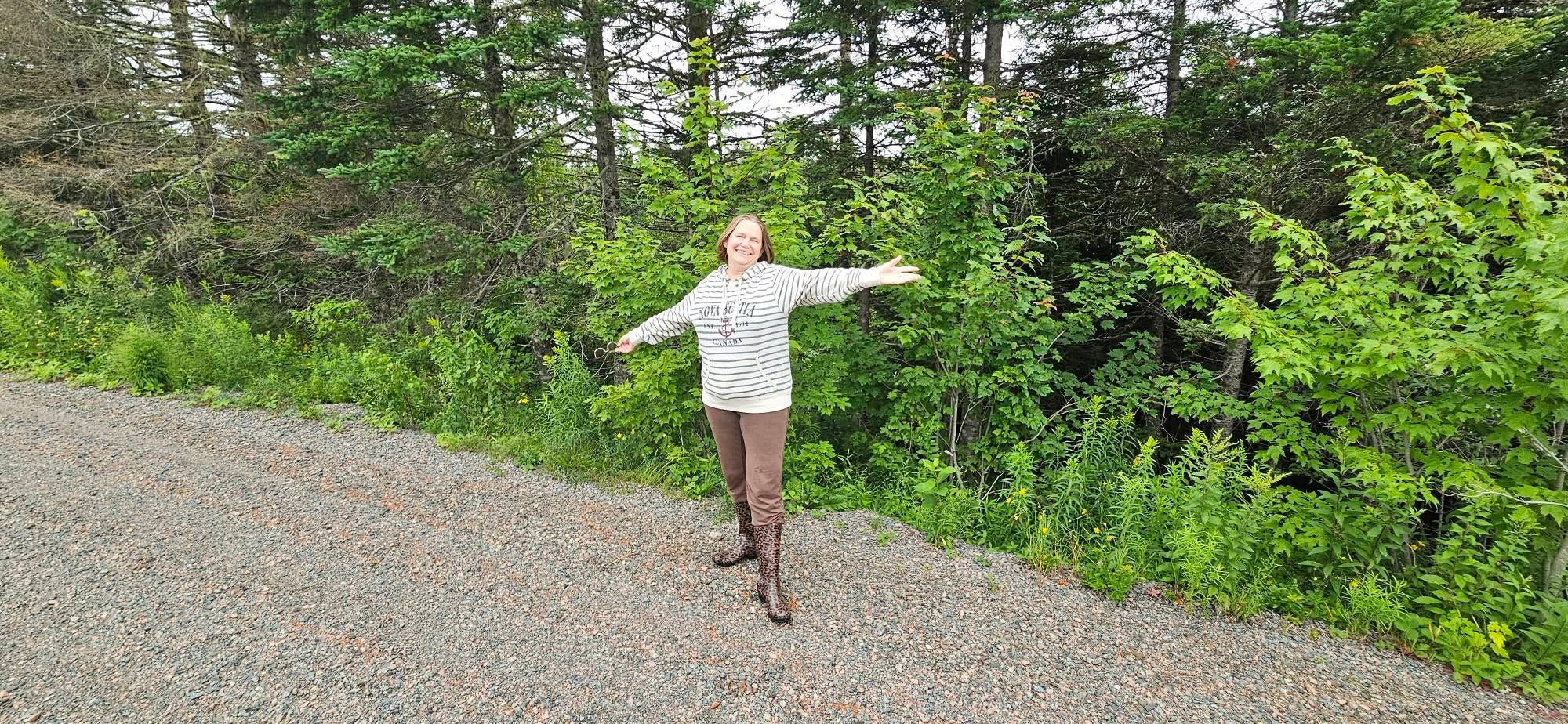
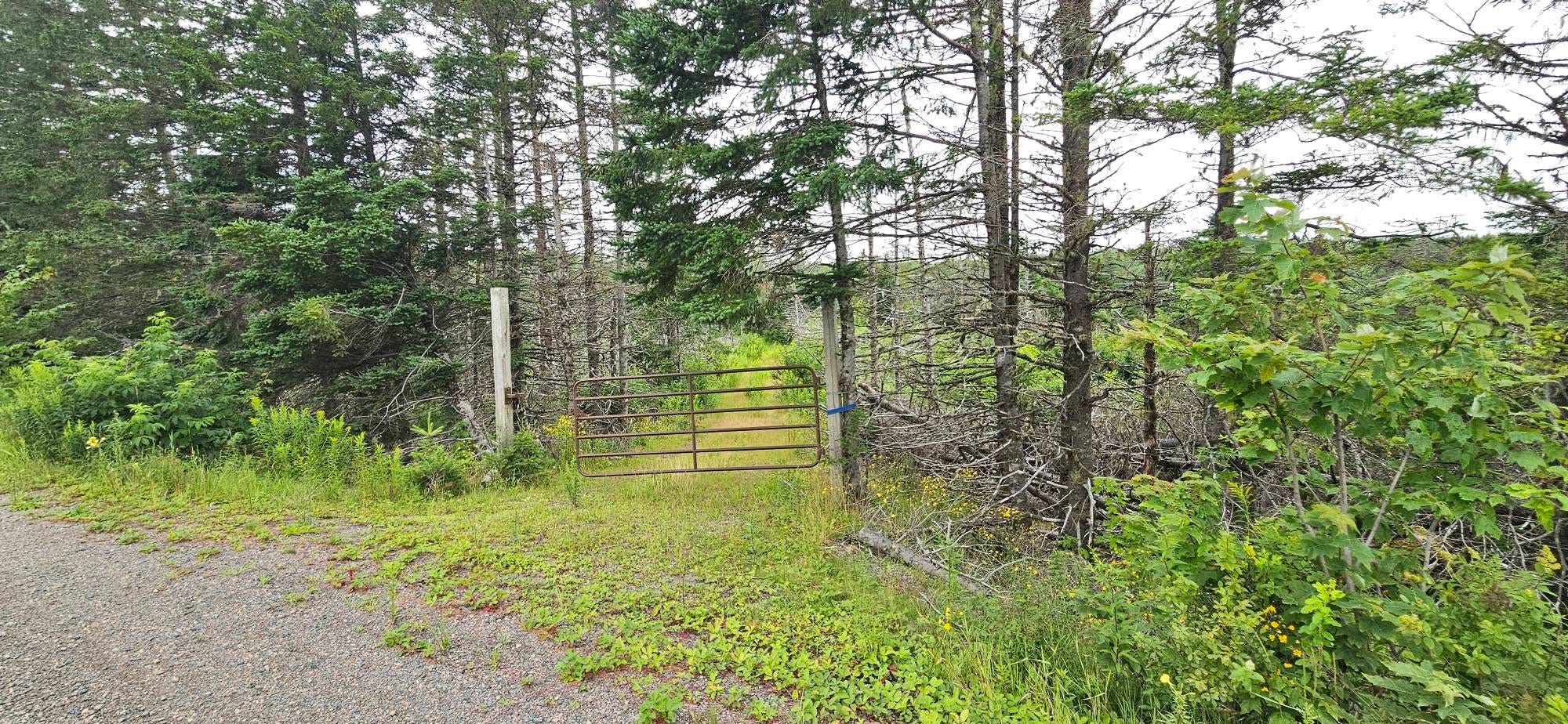
Sarah and Jeremiah’s land grant today, photos in author’s collection
“We’ve gotten some more land since, and we’ve sold some of that. I signed my mark on the deeds of sale.
“But this land here, this is different. Cobequid Road lot Number Five. We earned this land. We fought for it. Your father risked his life for it, bled for it. I cried every night for it. Your father signed a paper swearing his allegiance to the king. When it came down to it, he followed that up by getting on a horse, Grampa’s horse, taking his gun, and attacking the king’s enemies. Because of that, we had to give up everything we had. King George owed us. Our whole family fought for him. I say fought…only your father actually served in a regiment, but we all did our part. Left our homes. Did without. Paid the terrible prices for rent, food, supplies. Helped feed our neighbors, gave some of them shoes.
“I left my childhood family. I went so far away, I knew I’d never see them again. It’s what our foremothers did when they left England. That’s what women do, Elizabeth. It’s God’s plan. Grow up, marry, leave your home, make your own family. I did it. You can do it too.
They had reached the door of the house, and the children ran up to join them. “When are we eating, Grannie?” William asked.
“Now,” Sarah replied, entering the kitchen. She set them up at the table with biscuits and milk, Lucy standing on a chair. Elizabeth spread butter from a crock on the sliced circles.
“I have something for you.” Sarah beckoned her daughter to join her in the small bedroom set off in the corner of the house behind the chimney.
She picked up a soft folded shape from the lid of a chest. “I didn’t leave with nothing. My mother sent me with a quilt she made with her own hands. When I lay under it, I feel her arms hugging me. I’m going to give it to you.”
“Mama!” Elizabeth’s wide eyes filled with tears. “But then you won’t have it. You won’t have her arms hugging you.”
“I won’t live forever,” Sarah smiled. “I’m passing it on. To you. Take it with you to your own land. That’s what women do.”
Elizabeth unfolded the pale yellow quilt; embracing her mother, she encircled them both in its colorful flowers.1
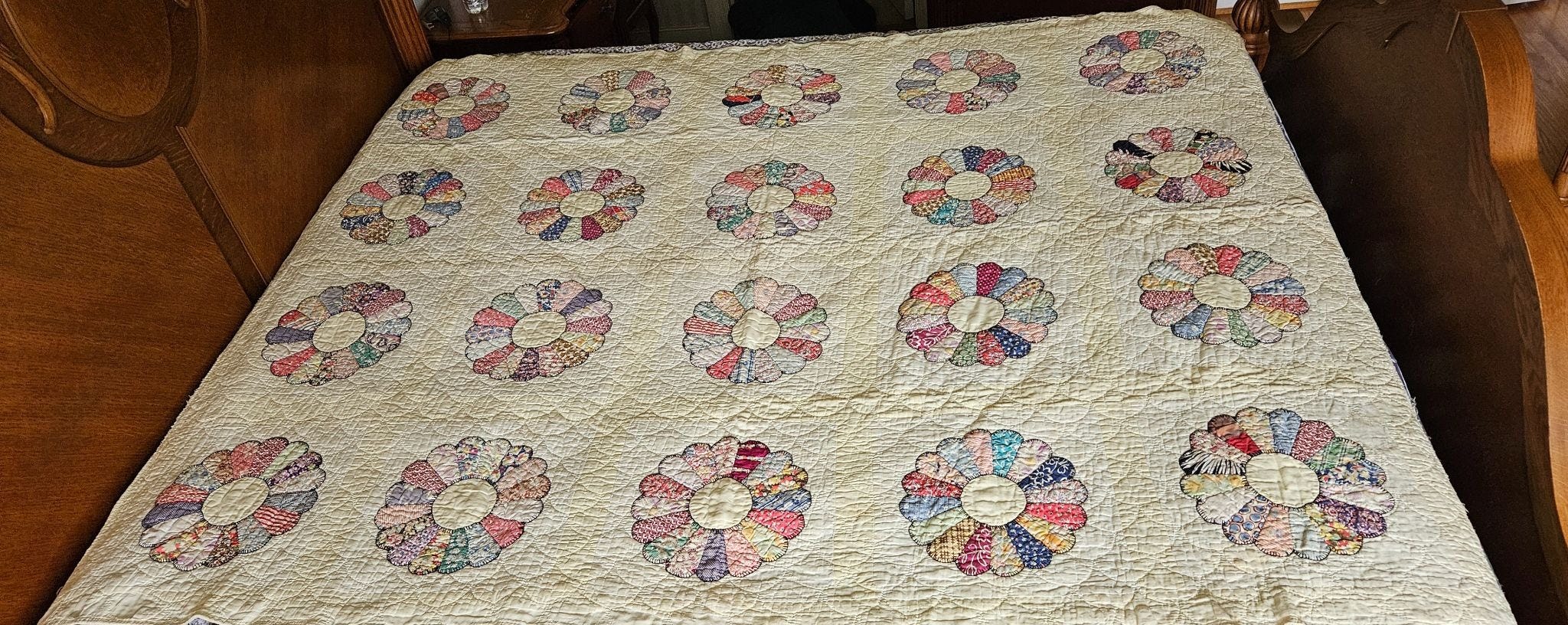
Not Sarah’s quilt, but mine, made by Sarah’s great-granddaughter Phoebe Rushton Spence, my great-grandmother
Epilogue…a factual account
Elizabeth moved to Ontario, then called Upper Canada. According to the 1901 obituary of Elizabeth’s son William, their entire family relocated together when William was eight years old, making the year 1828. The new baby would have been one year of age on the journey. Elizabeth did not have another child until the family was well established; Hiram was born in 1835.
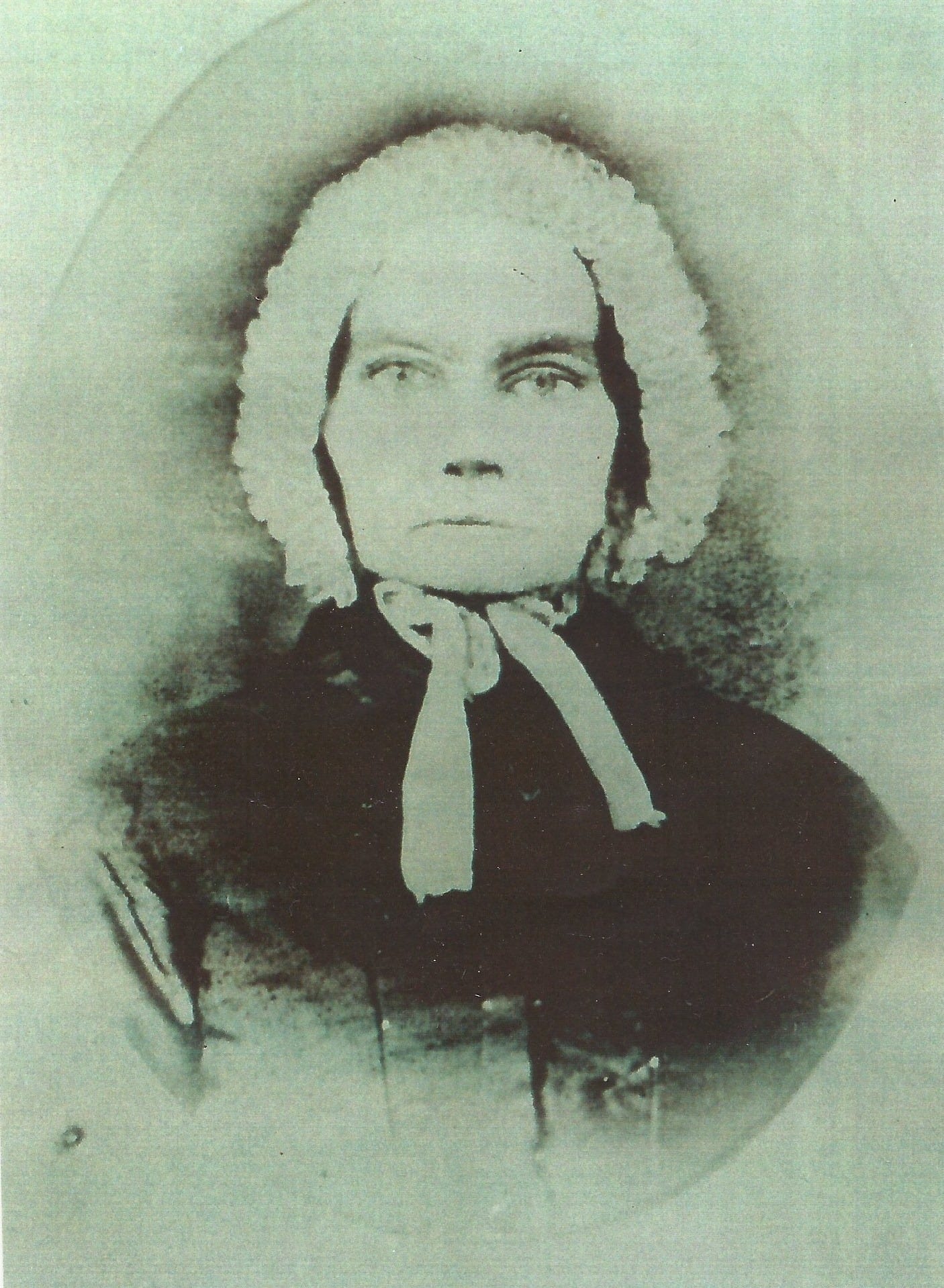
Elizabeth Rushton Worden, about 1860, photo in author’s collection
Dower rights under coverture were the same in Ontario as they were in Nova Scotia, and changed with a federal law in 1887. Elizabeth did not exercise hers, as she died in 1866, ten years before her husband.
Elizabeth and Samuel Worden did not relocate to wilderness. Their son’s obituary states that they first lived on Dundas Street, which had been a road since 1793 and developed by stages into a main highway.2 Later they moved to a homestead in Esquesing, which was opened to settlement ten years previously. The population was already 424 by the time the first township meeting was held in 1821.3
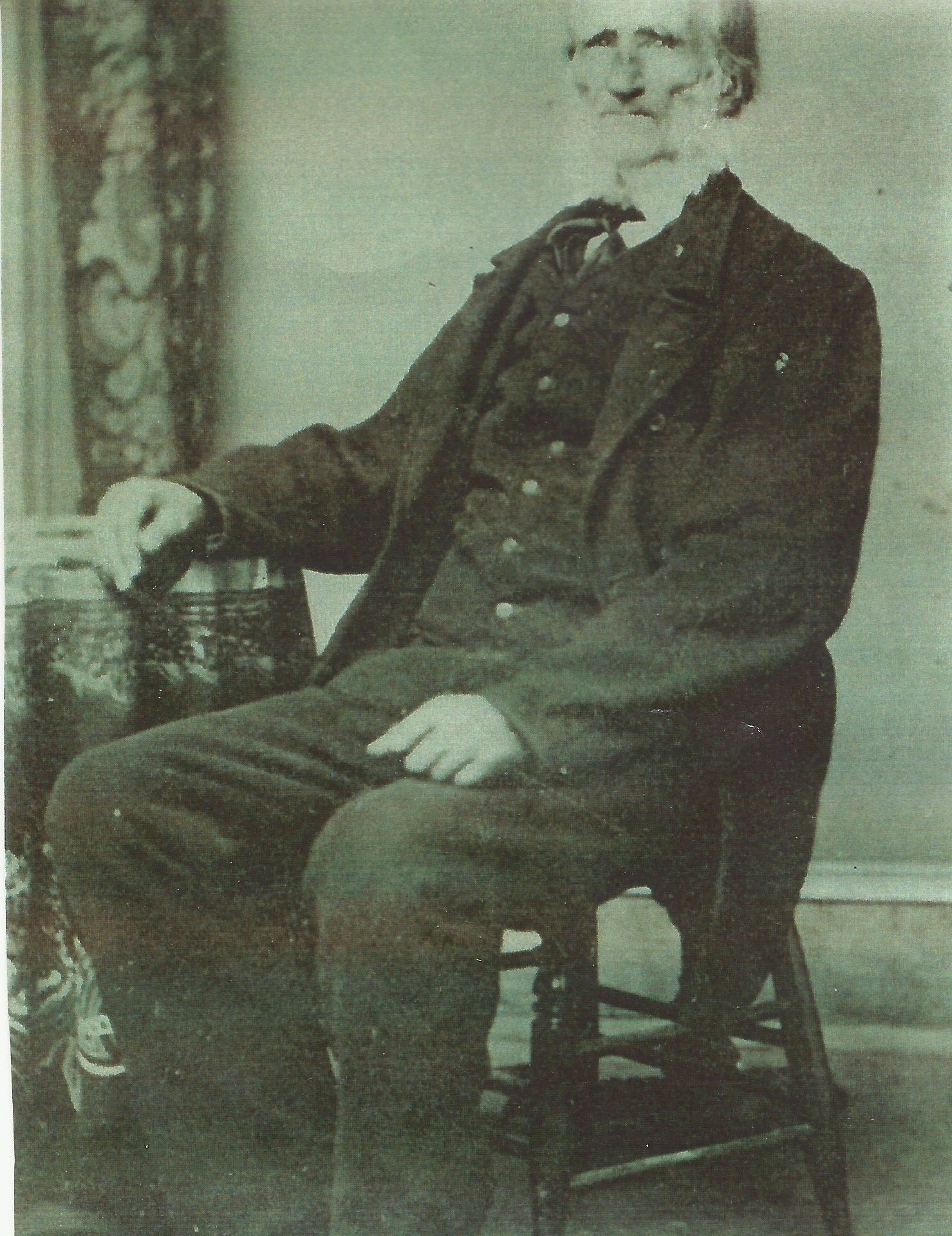
Samuel Worden, about 1860, photo in author’s collection
Sarah Hall Rushton died on the 8th of January, 1839, six weeks after her husband. She was about 85 years old.4 She is buried in the Oxford Pioneer Cemetery in Oxford, Cumberland County. Jeremiah’s burial site is unknown.5
While Elizabeth’s community grew into a town in a fairly short time, Westchester remains rural even today.
I used Claude.ai to help me revise and edit.
This is fiction; that Sarah’s mother made and gave her a quilt is from my imagination.
https://en.wikipedia.org/wiki/Dundas_Street
https://en.wikipedia.org/wiki/Esquesing_Township
Cumberland County Genealogies, Westchester Township Book, archives.novascotia.ca
https://www.findagrave.com/memorial/277819056/sarah-rushton
Comments
Post a Comment